

Core Systems & Technology Integration Features
-
Multi-Energy Modular Integration & Layout
The station adopts a design philosophy of "zoned independence, centralized control," modularizing the five energy systems:
- Oil Zone: Integrates gasoline and diesel dispensing equipment.
- Gas Zone: Configures CNG/LNG refueling units.
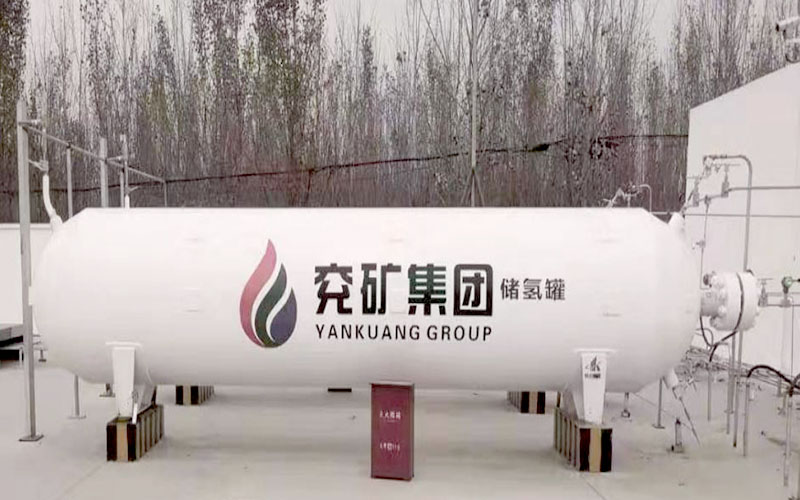
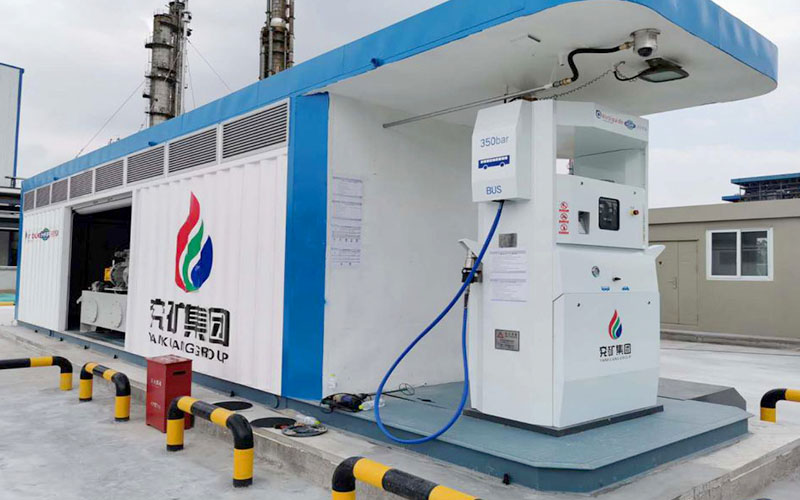
- Hydrogen Zone: Equips 45MPa hydrogen storage vessel banks, compressors, and dual-nozzle hydrogen dispensers with a daily refueling capacity of 500 kg.
- Electricity Zone: Installs high-power DC and AC charging piles.
- Methanol Zone: Features dedicated storage tanks and dispensers for vehicle-grade methanol fuel.
Each system achieves physical isolation while maintaining data interconnectivity via intelligent piping corridors and a central control platform.
-
Intelligent Energy Management & Cross-System Dispatch Platform
The station deploys an Integrated Energy Management System (IEMS) with core functionalities including:
- Load Forecasting & Optimal Allocation: Dynamically recommends the optimal refueling mix based on real-time data such as electricity prices, hydrogen prices, and traffic flow.
- Multi-Energy Flow Control: Enables multi-energy coupling dispatch, such as hydrogen-power synergy (using off-peak electricity for hydrogen production) and gas-hydrogen complementarity.
- Unified Safety Monitoring: Conducts independent safety monitoring for each energy zone while implementing a station-wide interlocked emergency response mechanism.
-
High-Efficiency & Safety Design of the Hydrogen System
- Efficient Refueling: Utilizes liquid-driven compressors and efficient pre-cooling units to enable dual-pressure (35MPa/70MPa) refueling, with a single refueling event completed within ≤5 minutes.
- Enhanced Safety: The hydrogen zone complies with the highest safety standards of GB 50516, equipped with infrared leak detection, automatic nitrogen purging, and explosion-proof isolation systems.
- Green Hydrogen Source: Supports both external supply of green hydrogen and for on-site water electrolysis, ensuring the low-carbon attribute of the hydrogen source.
-
Low-Carbon Design & Sustainable Development Interfaces
The station employs Building Integrated Photovoltaics (BIPV) design, with self-generated green electricity supplying the charging and hydrogen production units. The system interfaces for Carbon Capture, Utilization, and Storage (CCUS) and green methanol synthesis processes. In the future, CO₂ emissions from the station or surrounding industries can be converted into methanol, establishing a "hydrogen-methanol" cycle to explore carbon neutrality pathways.
Post time: Sep-19-2022


