

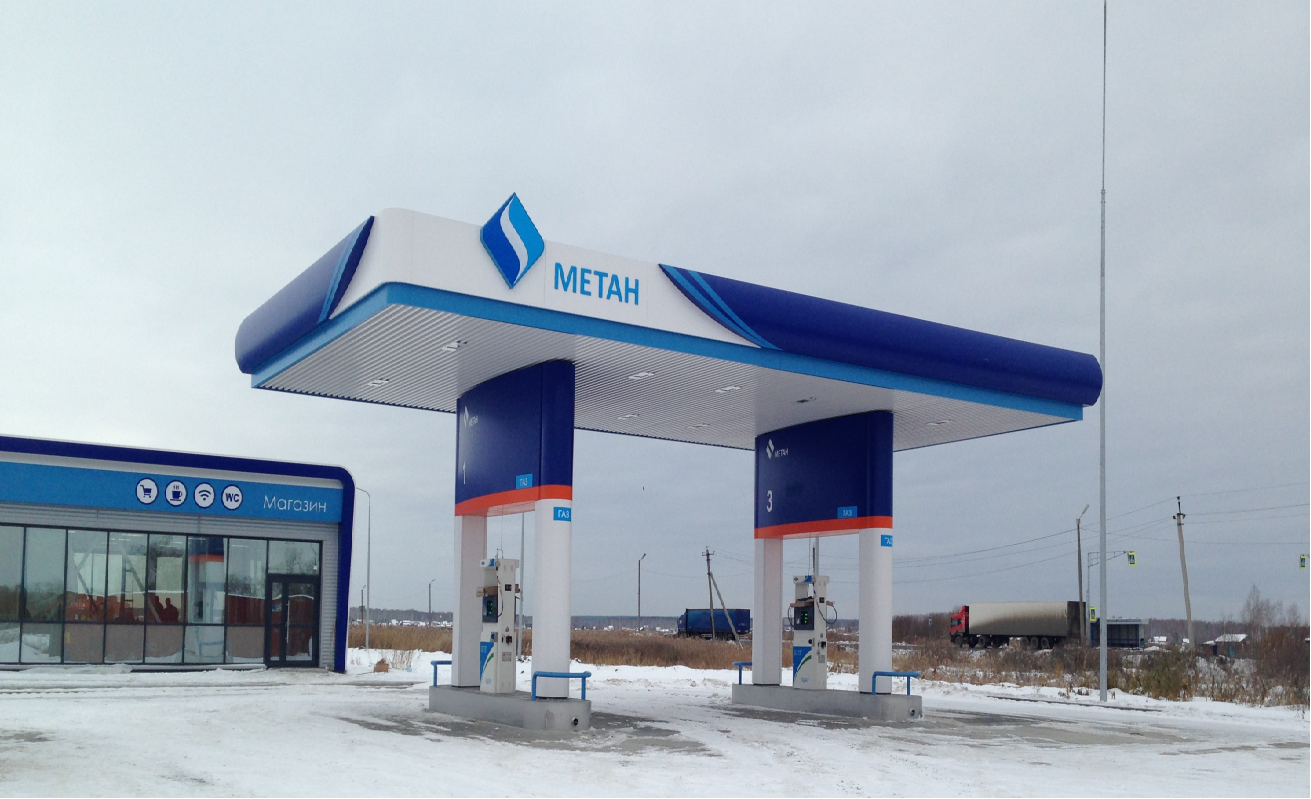
Russia, as a major global natural gas resource country and consumer market, is steadily advancing the optimization of its transportation energy structure. To adapt to its vast cold and subarctic climate conditions, a batch of compressed natural gas (CNG) dispensers specifically designed for extreme low-temperature environments has been deployed and put into operation across multiple regions in Russia. These units can maintain stable and safe refueling performance even in harsh conditions as low as -40℃ and beyond, strongly supporting the transition to clean energy in local public transportation, logistics, and other sectors.
This series of dispensers utilizes special ultra-low-temperature steel and frost-resistant sealing technology, with key components integrating active heating and intelligent temperature control systems to ensure rapid response and accurate metering even in extreme cold. The structural design is reinforced for freeze resistance, with surface treatment that prevents ice formation, and the operational interface is optimized for low-temperature environments to ensure reliable use by personnel in severe climates.
Given Russia's vast territory and dispersed station distribution, the dispensers are equipped with low-temperature-resistant electronic modules and a remote operation and maintenance system. This enables real-time monitoring of equipment status, refueling data, and environmental parameters, while supporting remote diagnostics and fault, significantly reducing maintenance and operational costs in extreme climates. Additionally, the equipment is compatible with local station control systems and communication protocols for seamless integration into existing energy management networks.
Throughout project execution, the technical team fully considered Russia's local climate characteristics and operational standards, providing end-to-end services from frost-resistance design validation and field testing to installation, commissioning, and localized training. This ensures long-term high reliability of the equipment in sustained low-temperature environments. The successful application of these dispensers not only enhances the service level of Russia's CNG refueling infrastructure under extreme conditions but also provides a referential technical and equipment model for promoting natural gas in clean transportation in other cold regions worldwide.
Looking ahead, as Russia's demand for clean transportation energy continues to grow, relevant parties can further provide integrated CNG, LNG, and hydrogen refueling solutions adapted to extreme cold climates, supporting the country in building a more resilient and sustainable transportation energy supply system.
Post time: Aug-15-2025


