

-
High-Efficiency LNG Power System for Heavy Loads
Tailored for the high-capacity, long-duration voyages typical of building material carriers, the vessel's core power is provided by a high-power LNG-diesel dual-fuel low-speed engine. In gas mode, this engine achieves zero sulfur oxide emissions, reduces particulate matter by over 99%, and effectively cuts carbon dioxide emissions. Optimized for the specific speed and load profiles of canal transport, the engine has been calibrated for maximum energy efficiency, ensuring the lowest possible gas consumption under typical operating conditions.
-
Fuel Storage & Bunkering Design Adapted for Building Material Transport
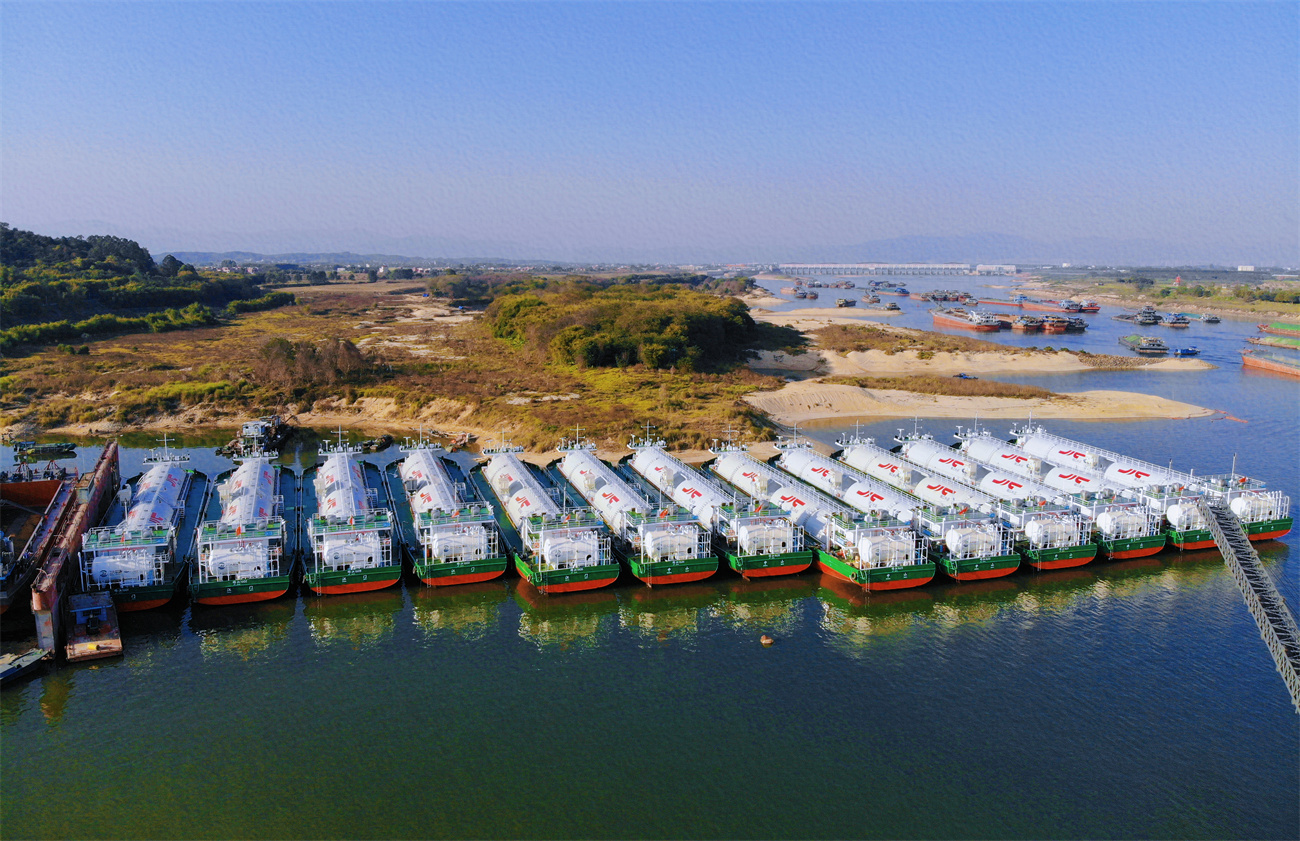
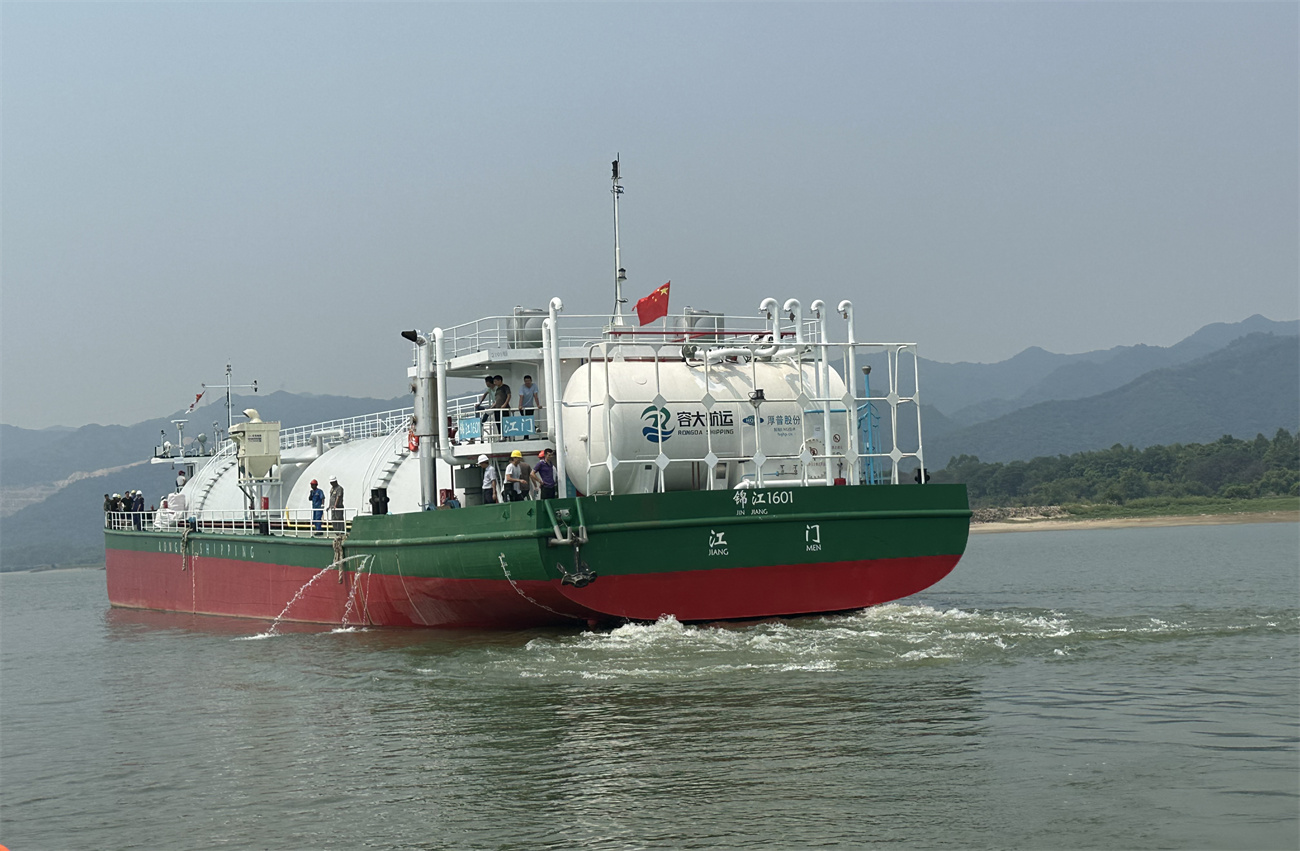
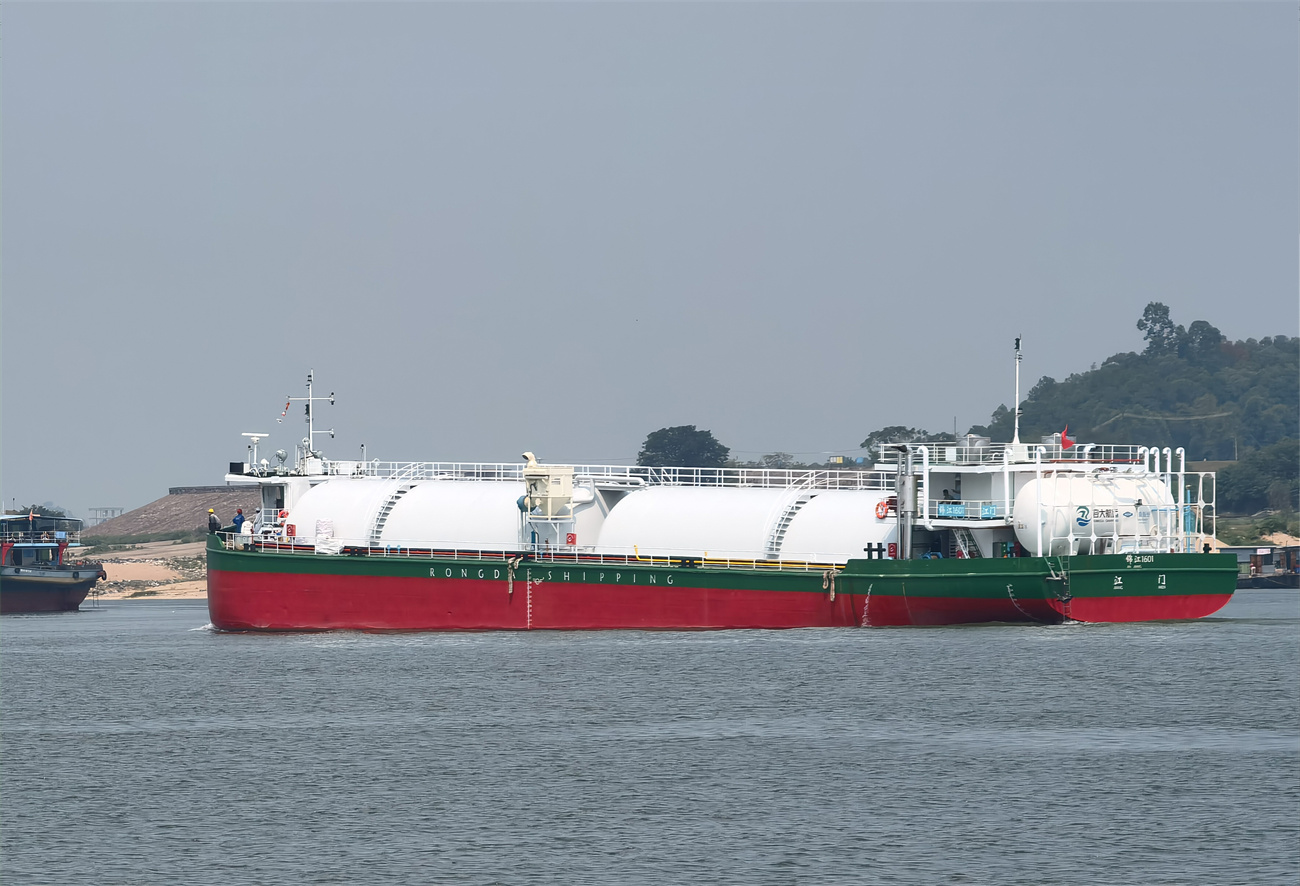
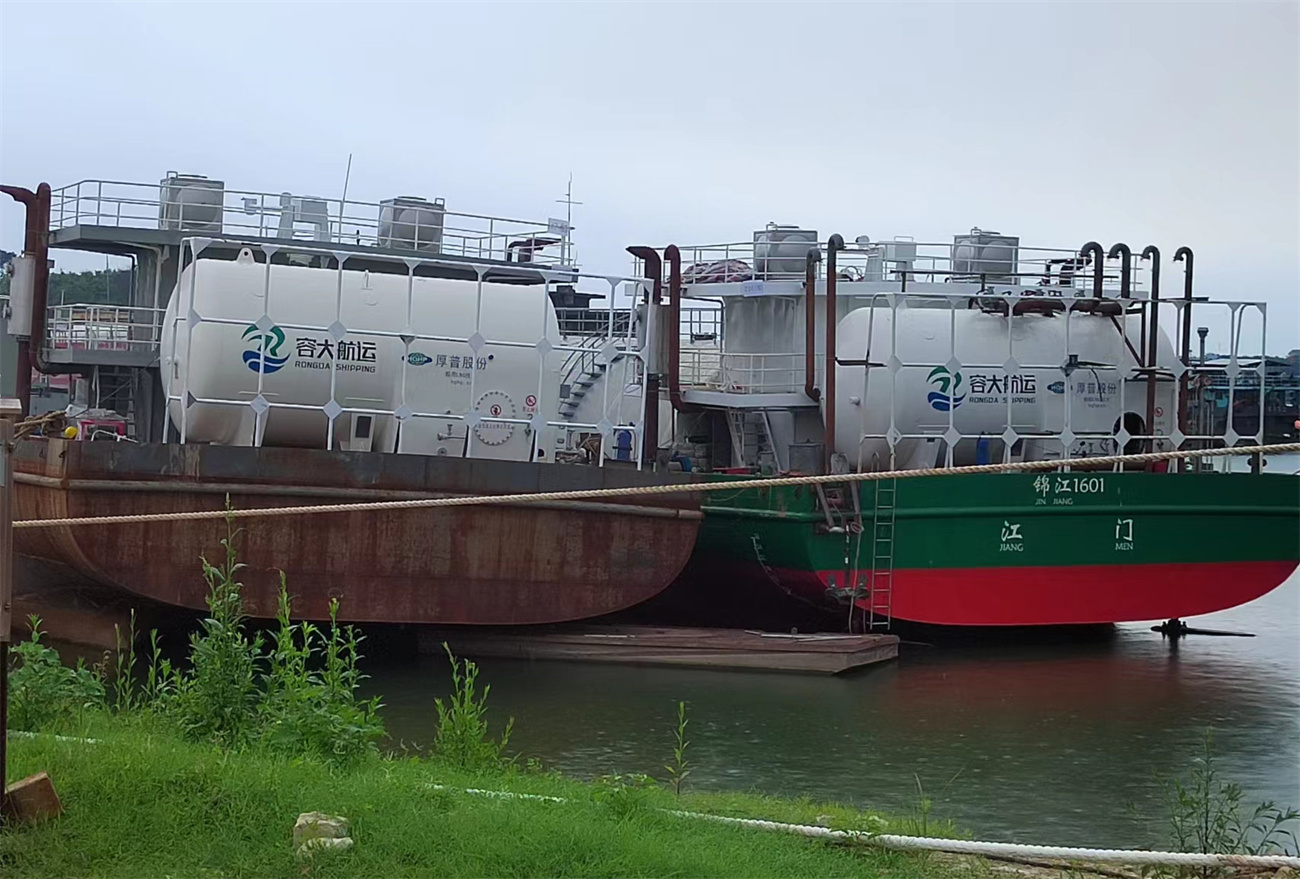
The vessel is equipped with a large-capacity Type C independent LNG fuel tank, whose size is designed to meet the round-trip range requirements within the canal network, minimizing the need for mid-voyage refueling. The tank layout carefully considers the impact of material loading/unloading on ship stability and optimizes the spatial relationship with cargo holds. The system is compatible with both quayside bunkering from a barge and truck-to-ship refueling, enhancing operational flexibility at material terminals.
-
High Safety & Reliability for Bulk Cargo Operations
The design comprehensively addresses the challenges of a dusty material environment and frequent berthing operations, incorporating multiple layers of protection:
- Explosion-Proof & Dust-Proof Design: The engine room and fuel system areas utilize positive pressure ventilation with high-efficiency filtration to prevent ingress of building material dust.
- Reinforced Structural Safety: The fuel tank support structure is designed for fatigue resistance, and the piping system includes additional shock absorption and vibration isolation devices.
- Intelligent Safety Monitoring: Integrates ship-wide combustible gas detection, fire, and a safety data interface with port dispatch systems.
-
Integration of Intelligent Energy & Logistics Management
The vessel is equipped with a "Ship-Port-Cargo" Collaborative Energy Efficiency Management Platform. This platform not only monitors main engine performance, fuel reserves, and navigation status but also exchanges data with the group's material production schedules and terminal loading/unloading plans. By algorithmically optimizing sailing speed and waiting times, it achieves optimal energy efficiency for the entire logistics chain from "factory" to "construction site," providing critical data support for the group's green supply chain management.
Post time: May-11-2023


